

I recently had the pleasure of being interviewed by David Nemeth for Suspect’s Viewpoint, on Unlawful Acts.
Below is an excerpt.
David: Let’s talk about your story, “Rats”. I mentioned in my review, the story u
nmasked a fear that I think many of us have, that we are all precariously situated in our lives. In crime fiction, there’s always a certain amount of fear but it is always removed far from the reader. With “Rats” and other stories, the reader can absolutely picture themselves in these difficult situations. With many in the States one or two steps away from financial ruin, can you talk about how you relate your storytelling these sorts of situations and even those caused by a few bad decisions?
Liam: I want to split open the social construct that says that if you live on the street, or you’re poor, or struggling, that you’re, at best, society’s cautionary tale. We’ve been conditioned to believe that if you’re doing well, it’s because you deserve it, that it was solely because of your character, and nothing else. Only occasionally that’s true. And we’re also conditioned to believe the opposite; if you’re down and out, you must deserve it, and be of weak moral character. Again, only occasionally is that true.
But reality encroaches. We see homeless families that work two jobs and live out of a van. We see homeless veterans. And we feel like we have to explain that away, because the truth, that someone can do right in their life and still wind up busted and broken – that’s a terrifying reveal. In “Rats,” both main characters wound up on the streets for reasons other than a faulty character. And that’s the “crime” of that story – not any crime they’ve committed, but the crime of their very existence.

You can find the full article on Unlawful Acts.

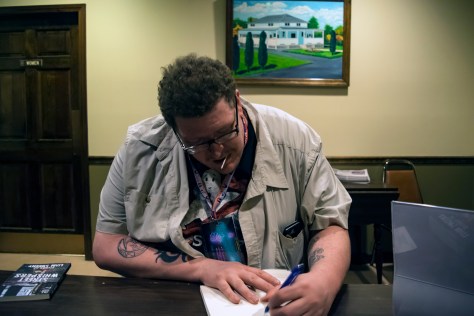 Yesterday was Pub Day for my new collection of short stories, Street Whispers (which you can now buy
  Anyway, Phil Sawyer, good friend and undeclared ambassador of the Capital Region, owns
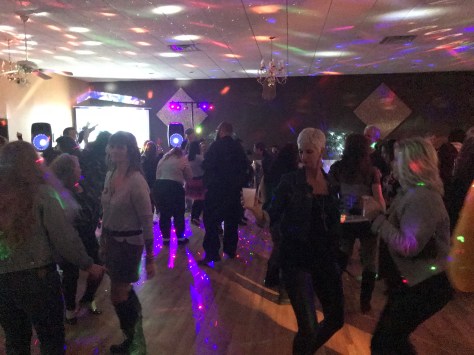
 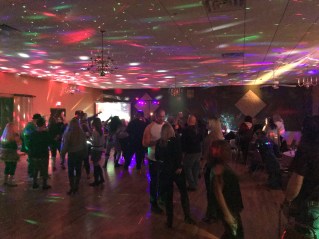 my post here and there just to bathe in it a little bit. There were four bartenders and a revolving door of thirsty people fifty deep. Seriously, though, little Rubik’s cubes flying through the air, a smiley-face beach ball making its rounds foot-to-foot, unplugged microphones on stands with bandannas tied to them court people singing anyway cause it was all good. No cops called, but who’s to say they weren’t there? Everybody was there.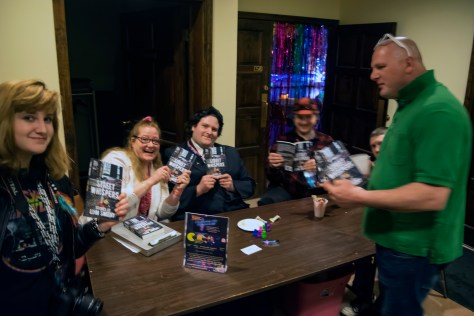

 Liam Sweeny